A project that was brought to me a while back was for a college essay.
The woman wanted to apply for a certain nursing school in the states and wasn't confident in her ability to express herself to the college in English. That's where I came in. This was not a particularly difficult project, but it did have its peculiarities.
Prose in Japanese is a bit different from what Americans are used to. The flow of intentions is almost the opposite. In English we tend to sandwich what we want to get across. I remember learning the "Hamburger Model" in many stages of my education. We tend to use this even when we want to give people advice, bad-news and applying for a job. For documents like letters of intentions or essays, we usually say:
1. What we want
2. Why we want it ・ Why we should have it
3. Why the reader should want us too (restatement of what we want want)
There are extra things to accompany that, but that's basically what it is. English speakers are generally comfortable reading and writing professional letters in that format.
However, in Japanese, one usually doesn't state their intentions until the very end. Perhaps due to the structure of Japanese (SOV), what is being conveyed isn't expressed until the end of the statement. "I apples want" as opposed to "I want apples." So even in an essay or speech, what the writer/speaker's intent isn't fully apparent until the very end. All of the information that they want the listener/reader to know made explicit, then they state what they want at the end of it. This also shows up in their humor. As an example, Japanese people say that they never start laughing until the very end of a joke or story.
At the risk of rambling, basically, I had to transform her essay into what English speakers are used to reading without ruining her intents. Translating it itself was not difficult, but I did have to dance around the structure of the would-be English version.
If I was to do it again, I would like to meet with the person and talk about exactly what they wanted to express it make it even better; even more personal. There is only so much you can do with only text, but I feel like I did a good job on it.
I heard from her a while later and head that she got into the college and the program of her choice.
Showing posts with label English. Show all posts
Showing posts with label English. Show all posts
Saturday, October 20, 2012

Thursday, September 13, 2012
Projects: Bar Menu
One of the more fun projects I have had was making an English version of a Japanese menu.
The menu was for a small bar in the town of Iwakuni. This city is about forty minutes away from the city of Hiroshima, and it has a large American marine base in it. So there are many English speaking foreigners in that town. The bar was "foreigner friendly" (I'll touch on that if people want to hear about it), and a place that I frequented quite a bit.
I was always fine with the Japanese menu, but if I came with other foreigners, they most likely used the English menu. The problem was that it was missing about half of the original. When I asked the owner, "yo what's up with your English menu?" He said, "I don't know how to translate the rest myself, and just left it like that." So, like any aspiring business owner, I offered my services... as a favor.
The Japanese version breaks up the mixed drinks, beers and hard liquors like an other menu. Also, the names of drinks are just about the same besides a few exceptions. For example, the names of shots, from vodka to Jägermeister are usually written in katakana. Same goes for whiskeys. Miscellaneous drinks such as shōchū, umeshu, sake, Irish coffee and wines go under "Sake." There were also a lot of cocktail mixes that went under a different category. I used the official names for particular cocktails, such as gimlet (gin/lime), cape cod (cranberry/vodka) and vodka buck (vodka/ginger ale), then added subtext for what it is. The bar owner ask me to put additional "American cocktails" in there. So I added things like Long Island ice tea.
One intricate part was with the food and high alcohol cocktails. Like any good bar, this one had crazy, unique, "what the hell did I drink last night?" kind of drinks. And of course, with them came daunting names. For example: 三途の川 (lit: River of Three Crossings) and 閻魔大王の涙 (lit: The Great Enma's Tears). I called those drinks Sanzu River and Yama’s Tears respectively. There is no particular need to translate them literally/perfectly. The patron only needs to know, "hey, that's probably a crazy drink." So I translated them in a way that comes off the tongue easily. Things that are a mouth full to say can be a turn off, so one needs to be careful in that respect when doing menus.
The food was similar. The Japanese menu had food items like "Great smelling garlic fried rice with a side fresh lettuce." It's not strange in Japanese but it needs to be condensed and "sound appetizing" in English. So I went with translations like "Aromatic Garlic Fried Rice and Fresh Greens."
After that, I had a good friend of mine come up with a good template and plug it in. Since this is a menu, the presentation, the layout, and keeping it condensed is very important. He was able to balance all of these and make a great template for the menu. Frankly, I think it's better than the original menu.
In the end the owner was very happy with his new menu and said that the foreign customers are able to order more easily. We didn't ask to be paid, but he insisted that he compensate us somehow.
If I was to do this sort of thing again, I would like to use better materials to make the menu itself look extremely classy. The menu we made looks nice, but it's made from items from a 100yen store. It all, of course, depends on what restaurant or bar I am doing it for though.
By the way, don't drink the Sanzu River. It's like half gin, half black coffee...
The menu was for a small bar in the town of Iwakuni. This city is about forty minutes away from the city of Hiroshima, and it has a large American marine base in it. So there are many English speaking foreigners in that town. The bar was "foreigner friendly" (I'll touch on that if people want to hear about it), and a place that I frequented quite a bit.
I was always fine with the Japanese menu, but if I came with other foreigners, they most likely used the English menu. The problem was that it was missing about half of the original. When I asked the owner, "yo what's up with your English menu?" He said, "I don't know how to translate the rest myself, and just left it like that." So, like any aspiring business owner, I offered my services... as a favor.
The Japanese version breaks up the mixed drinks, beers and hard liquors like an other menu. Also, the names of drinks are just about the same besides a few exceptions. For example, the names of shots, from vodka to Jägermeister are usually written in katakana. Same goes for whiskeys. Miscellaneous drinks such as shōchū, umeshu, sake, Irish coffee and wines go under "Sake." There were also a lot of cocktail mixes that went under a different category. I used the official names for particular cocktails, such as gimlet (gin/lime), cape cod (cranberry/vodka) and vodka buck (vodka/ginger ale), then added subtext for what it is. The bar owner ask me to put additional "American cocktails" in there. So I added things like Long Island ice tea.
One intricate part was with the food and high alcohol cocktails. Like any good bar, this one had crazy, unique, "what the hell did I drink last night?" kind of drinks. And of course, with them came daunting names. For example: 三途の川 (lit: River of Three Crossings) and 閻魔大王の涙 (lit: The Great Enma's Tears). I called those drinks Sanzu River and Yama’s Tears respectively. There is no particular need to translate them literally/perfectly. The patron only needs to know, "hey, that's probably a crazy drink." So I translated them in a way that comes off the tongue easily. Things that are a mouth full to say can be a turn off, so one needs to be careful in that respect when doing menus.
 |
| Left-New | Right-Japanese Menu |
After that, I had a good friend of mine come up with a good template and plug it in. Since this is a menu, the presentation, the layout, and keeping it condensed is very important. He was able to balance all of these and make a great template for the menu. Frankly, I think it's better than the original menu.
 |
| The reward |
In the end the owner was very happy with his new menu and said that the foreign customers are able to order more easily. We didn't ask to be paid, but he insisted that he compensate us somehow.
If I was to do this sort of thing again, I would like to use better materials to make the menu itself look extremely classy. The menu we made looks nice, but it's made from items from a 100yen store. It all, of course, depends on what restaurant or bar I am doing it for though.
By the way, don't drink the Sanzu River. It's like half gin, half black coffee...
Wednesday, June 27, 2012
プロジェクト: The Girl Locked Below
大希望を持つ翻訳者のCurbehです。よろしくお願いします。
音楽大好きですけれど、意外と難しいですね、歌詞を作るのは...
一応、音楽の歌詞を作っているから、普通の翻訳の仕事みたいにしたら...つまらない歌詞を作ってしまいます。頭の中に絵を描くのには日本語はすばらしいですが、まだまだ未熟私にはちょっと大変です。アフロを引っ張るまで考えないといけません...
Kurushiiと一緒にVOCALOIDの曲を作るの二回目でした。一回目のmasqueradeと違って、Stokholmの作詞がほぼ一日をかけてしました。
Kurushiiと曲の歌詞を作ることはちょっと変わっています。まずはKurushiiがBGMと英語版の歌詞を作詞します。英語版についているのは音節の数です。日本語に直すときにはそれに合わせないと、いい歌詞を考えても、作り直すしかありません。そこがたぶん一番難しいです。
英語版から離れてもいいですが、もともとの意味とイメージに同調することが大事です。歌詞を作るときには、やはりイメージされたキャラクターのしゃべり方、考え方、そのキャラクター自体を歌詞に映りたいですね。今回はいわゆる洗脳された抹殺ドール、と言うイメージが出てほしかったです。 可愛いけどご主人様に一歩近づいたら新しい口をあいてあげるタイプです。今は満足ですけど、もっと改良で来るところはあるはずです。
和訳した後、Kurushiiと一緒にイメージが持つかどうか確認して、発音の調整してからやっと絵を加えてアップロードします。今回の絵は友達にやってもらって、結構合うと思います。
またこんな歌をやったら、より強い言葉が使いたいですね。イメージがと浮かびやすい単語を使いこなしたいです。
音楽大好きですけれど、意外と難しいですね、歌詞を作るのは...
一応、音楽の歌詞を作っているから、普通の翻訳の仕事みたいにしたら...つまらない歌詞を作ってしまいます。頭の中に絵を描くのには日本語はすばらしいですが、まだまだ未熟私にはちょっと大変です。アフロを引っ張るまで考えないといけません...
Kurushiiと一緒にVOCALOIDの曲を作るの二回目でした。一回目のmasqueradeと違って、Stokholmの作詞がほぼ一日をかけてしました。
Kurushiiと曲の歌詞を作ることはちょっと変わっています。まずはKurushiiがBGMと英語版の歌詞を作詞します。英語版についているのは音節の数です。日本語に直すときにはそれに合わせないと、いい歌詞を考えても、作り直すしかありません。そこがたぶん一番難しいです。
英語版から離れてもいいですが、もともとの意味とイメージに同調することが大事です。歌詞を作るときには、やはりイメージされたキャラクターのしゃべり方、考え方、そのキャラクター自体を歌詞に映りたいですね。今回はいわゆる洗脳された抹殺ドール、と言うイメージが出てほしかったです。 可愛いけどご主人様に一歩近づいたら新しい口をあいてあげるタイプです。今は満足ですけど、もっと改良で来るところはあるはずです。
和訳した後、Kurushiiと一緒にイメージが持つかどうか確認して、発音の調整してからやっと絵を加えてアップロードします。今回の絵は友達にやってもらって、結構合うと思います。
またこんな歌をやったら、より強い言葉が使いたいですね。イメージがと浮かびやすい単語を使いこなしたいです。
Saturday, June 2, 2012
Projects: Arcana Heart 3 Information Pages
 |
| Yes. All of them. |
This was not a particularly hard project at the time since I had a fair amount of experience translating fighting game material related items before. What was a challenge was the shear amount of stuff. The game has 23 characters... and the same number of Arcana with individual information of their own. I had a little bit of help, but it took a fair amount of time to finish. Canon would later update the page with links to combo-video combos, but they were left out of the translation since it wouldn't help players in the US much.
There was not too much to research in terms of the actual content. He mostly talks about how the moves work and important data surrounding them. If I did have to look up something, I'd check the Japanese wiki and BBS for supplemental information.
The bulk of my research was brought on by myself...
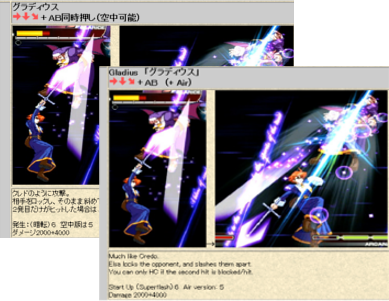 |
| Fairly easy if you know FG terminology. |
"But wait, I thought you only know Japanese and English?"
That's right. That's why it took forever to cross reverence pronunciations guides and charts or find Japanese sites with information/translations that match the corresponding katakana. From there, I could then translate it into English that reflects the original meaning.
AltusUSA did the original Arcana Heart... They did a good job but I felt that it could have reflected the original names more. The creators went through all of the trouble to use over eight different languages for their moves. I thought it would be nice to introduce them to the player. For things that would require heavier research, they used an appropriate sounding name or the Japanese for the move. There is nothing wrong with that, but its not as thorough as I would like have things.
 |
| Russian and Icelandic were the hardest |
Also, I did ask Canon if it was OK to translate the page. He was delighted to hear that people overseas were interested in Arcana Heart 3 and wanted to use his page. That kind of thing makes me the happiest.
Tuesday, January 10, 2012
Japan to Increase Foreign Employment
There was an interesting article in the Mainichi Newspaper (Jan. 4th) that caught my eye. The newspaper sent a survey to 122 major companies in Japan. Around 23% of the responses said that they want to increase foreign employees by spring of next year. 50.8% of all responses show plans to increase foreigners in the work place in ten years. Though a reason for many people coming to Japan would be to take advantage of the strong yen, there is a strong movement to employ individuals from advancing nations and incorporate their practices.
I spoke with a teacher about what this means for students in Japan. To make a long conversation short, there needs to be a revision on how English is taught to students. In a work place that is bound to have more workers for Asia, English is likely to be come a more common tool for the work place. However, kids that come out of school (and took English even a little seriously) in Japan have what you could call a "firm base in reading and writing English." This of course doesn't mean that they can speak and communicate said target language. There are students that do their best and learn the language as a language rather than a subject, but as a whole there is something lacking.
As an ALT, it is my job to help improve this reality... but it doesn't seem to be enough. I wonder what can be done more to give students more practice and confidence in English?
I spoke with a teacher about what this means for students in Japan. To make a long conversation short, there needs to be a revision on how English is taught to students. In a work place that is bound to have more workers for Asia, English is likely to be come a more common tool for the work place. However, kids that come out of school (and took English even a little seriously) in Japan have what you could call a "firm base in reading and writing English." This of course doesn't mean that they can speak and communicate said target language. There are students that do their best and learn the language as a language rather than a subject, but as a whole there is something lacking.
As an ALT, it is my job to help improve this reality... but it doesn't seem to be enough. I wonder what can be done more to give students more practice and confidence in English?
Subscribe to:
Posts (Atom)